
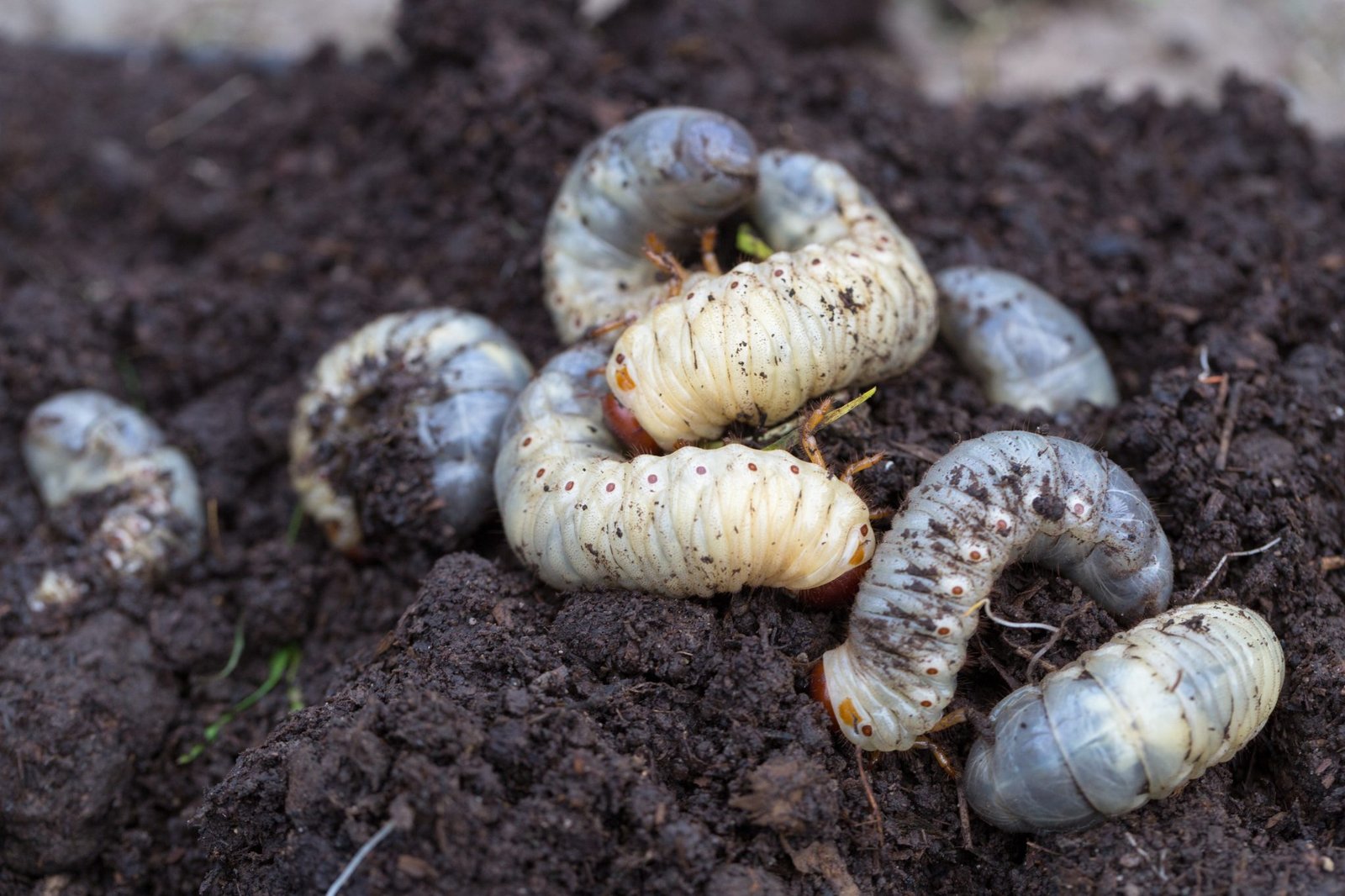
A lush, green lawn adds beauty, value, and curb appeal to any property. However, many homeowners in Saginaw, MI, struggle with an underground threat that can quickly destroy healthy turf—lawn grubs. These hidden pests feed on grass roots beneath the soil surface, causing brown patches, thinning grass, and widespread lawn damage if left untreated.
At Imperial Services, we help homeowners protect their lawns from destructive pests and maintain vibrant, healthy landscapes throughout the year. Understanding how grubs affect your lawn is the first step toward preventing costly damage and preserving your property’s appearance.
What Are Lawn Grubs?
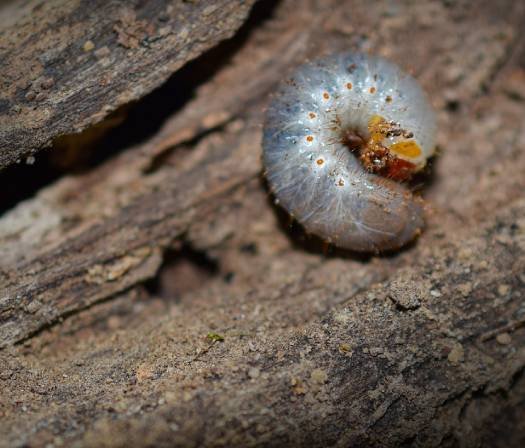
Lawn grubs are the immature larvae of several beetle species, including Japanese beetles, June beetles, European chafers, and Oriental beetles. These pests spend most of their lives underground, feeding on grass roots before eventually developing into adult beetles.
Most grubs have the following characteristics:
- White or cream-colored bodies
- Brown heads
- Six legs near the front of the body
- Distinctive C-shaped appearance
Because they remain hidden beneath the soil, many homeowners don’t realize they have a grub infestation until visible lawn damage appears.
Why Are Grubs Harmful to Your Lawn?
Grubs survive by feeding on the root systems of turfgrass. As they consume roots, grass loses its ability to absorb water and nutrients effectively. Over time, this weakens the lawn and causes noticeable deterioration.
Common effects of grub infestations include:
- Brown or yellow patches of grass
- Thinning and weakened turf
- Grass that wilts despite regular watering
- Loose sod that lifts easily from the soil
- Increased weed growth in damaged areas
Without strong roots, your lawn becomes more vulnerable to heat stress, drought, disease, and heavy foot traffic.
Signs of Grub Damage in Saginaw Lawns
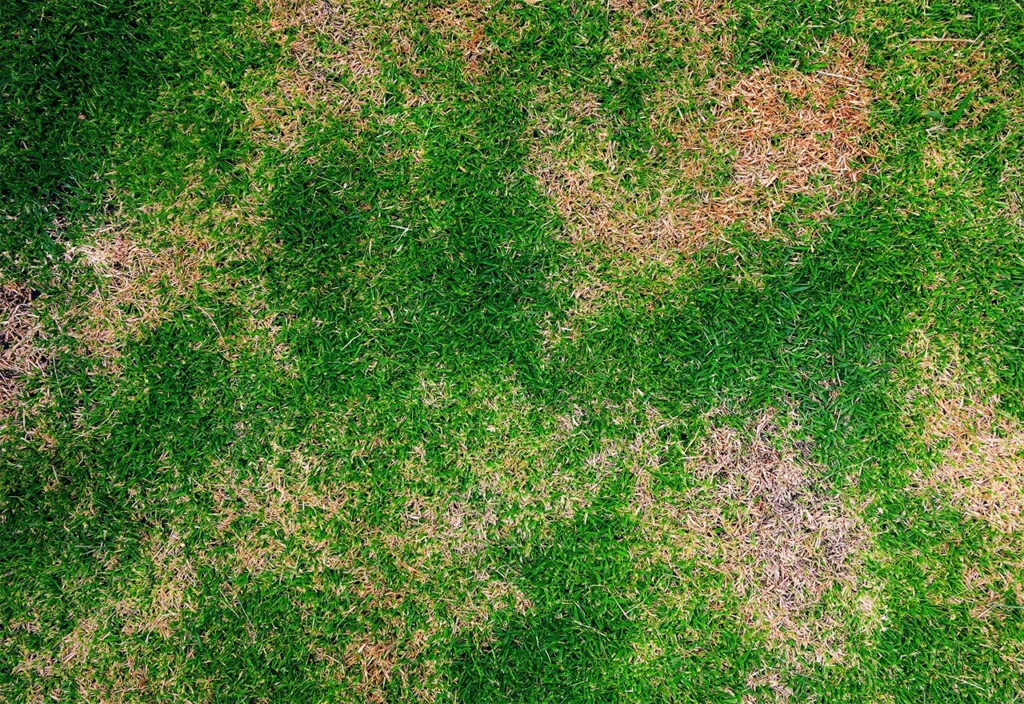
Many lawn problems can look similar, making it important to identify the warning signs of grub activity early.
Brown Patches That Continue to Spread
One of the earliest signs of grub damage is the appearance of irregular brown patches throughout the lawn. These areas often begin small and gradually expand as grubs continue feeding beneath the surface.
Grass Pulls Up Easily
When grubs destroy grass roots, the turf loses its anchor to the soil. Damaged grass may peel back like a carpet with very little effort.
Increased Wildlife Activity
Grubs are a favorite food source for raccoons, skunks, birds, and moles. If animals are digging holes throughout your yard, they may be searching for grubs beneath the turf.
Soft or Spongy Turf
Walking across a grub-infested lawn may feel different. Areas affected by root damage often feel soft, weak, or spongy underfoot.
Understanding the Grub Life Cycle
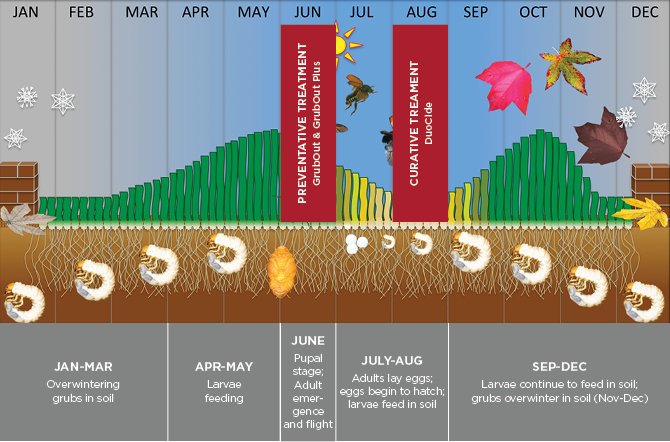
Knowing when grubs are most active can help homeowners prevent infestations before major damage occurs.
Spring
As soil temperatures rise, overwintering grubs move closer to the surface and resume feeding on grass roots.
Early Summer
Grubs mature and transform into adult beetles. These beetles emerge from the soil and begin searching for places to lay eggs.
Mid-to-Late Summer
Adult beetles lay eggs in lawns and landscaped areas. Once the eggs hatch, young grubs begin feeding aggressively on turf roots.
Fall
Grubs continue feeding and storing nutrients before moving deeper into the soil for winter protection.
The most severe lawn damage often occurs during late summer and early fall when young grubs are actively feeding.
How to Check Your Lawn for Grubs
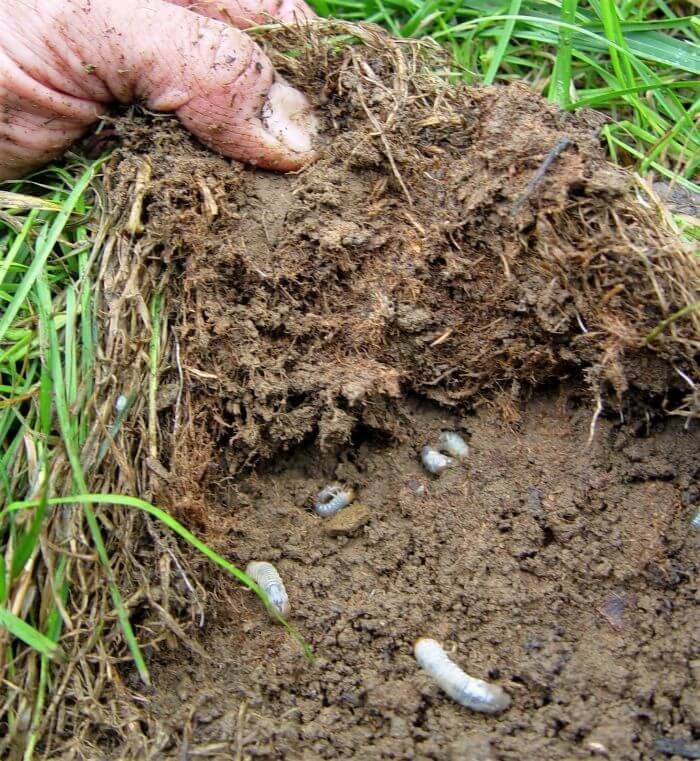
If you suspect grub activity, you can inspect your lawn yourself.
- Cut a small section of turf approximately one square foot.
- Carefully pull back the grass.
- Examine the top few inches of soil.
- Count the number of grubs present.
Finding a few grubs is normal in many lawns. However, large populations can quickly cause significant turf damage and may require professional treatment.
Factors That Increase Grub Infestations
Certain lawn conditions can attract more beetles and increase the likelihood of grub problems.
Consistently Moist Soil
Adult beetles prefer moist lawns for laying eggs. Frequent irrigation during summer can create ideal conditions for grub development.
Previous Grub Problems
Lawns with a history of grub infestations often experience recurring issues if preventive treatments are not applied.
Thick, Healthy Turf
Ironically, healthy lawns can attract egg-laying beetles because they provide ideal conditions for young grubs to thrive.
Nearby Untreated Properties
If neighboring lawns have grub infestations, beetles can easily spread and lay eggs throughout surrounding areas.
Effective Grub Prevention Strategies
Preventing grub damage is significantly easier and less expensive than repairing a heavily damaged lawn.
Maintain Healthy Turf
Strong lawns can tolerate minor grub feeding better than stressed or unhealthy grass.
Key lawn care practices include:
- Proper mowing techniques
- Deep, consistent watering
- Regular fertilization
- Lawn aeration
- Overseeding thin areas
Apply Preventive Grub Treatments
Professional preventive grub control treatments are typically applied during early to mid-summer before newly hatched grubs begin feeding.
Proper timing is critical. Applying treatments too early or too late can reduce effectiveness and leave your lawn vulnerable.
Reduce Lawn Stress
Heat and drought stress can intensify the visible effects of grub damage. Maintaining proper irrigation helps grass remain resilient during the growing season.
Schedule Professional Lawn Inspections
Routine lawn inspections allow professionals to detect early signs of grub activity before widespread damage occurs. Early intervention often prevents expensive lawn restoration projects.
How Imperial Services Protects Lawns from Grub Damage
At Imperial Services, we provide professional lawn care solutions designed specifically for Michigan properties. Our experienced team understands local turf conditions and uses proven grub control strategies to protect your investment.
Our lawn protection services focus on:
- Early detection of lawn pests
- Preventive grub treatments
- Customized lawn care programs
- Seasonal monitoring and maintenance
- Long-term turf health improvement
By combining proactive lawn care with effective pest management, we help homeowners maintain healthier, greener lawns year-round.
Frequently Asked Questions About Lawn Grubs
Are grubs dangerous to pets or people?
No. Grubs do not bite, sting, or spread diseases to humans or pets. Their primary impact is damage to grass roots and lawn health.
Can my lawn recover from grub damage?
Yes. Many lawns recover successfully when grub infestations are treated early and combined with proper watering, fertilization, and overseeding.
Do brown lawn patches always mean grubs?
Not necessarily. Brown patches can also result from drought stress, fungal diseases, soil compaction, nutrient deficiencies, or pet damage. A professional inspection can identify the exact cause.
When should I start thinking about grub prevention?
For most Michigan homeowners, grub prevention should begin in late spring or early summer before adult beetles lay eggs.
Protect Your Lawn with Professional Grub Control

Grubs are among the most destructive lawn pests affecting homeowners in Saginaw and throughout Michigan. Left untreated, they can weaken turf, create unsightly brown patches, and attract animals that further damage your property.
The best defense against grub infestations is a proactive lawn care strategy that includes proper maintenance, seasonal monitoring, and professionally timed treatments. By addressing potential problems early, you can protect your lawn, improve curb appeal, and avoid costly repairs.
If you’re concerned about grub activity or want to strengthen your lawn’s defenses, contact Imperial Services today for professional lawn care and grub control solutions tailored to your property.
Leave A Comment